
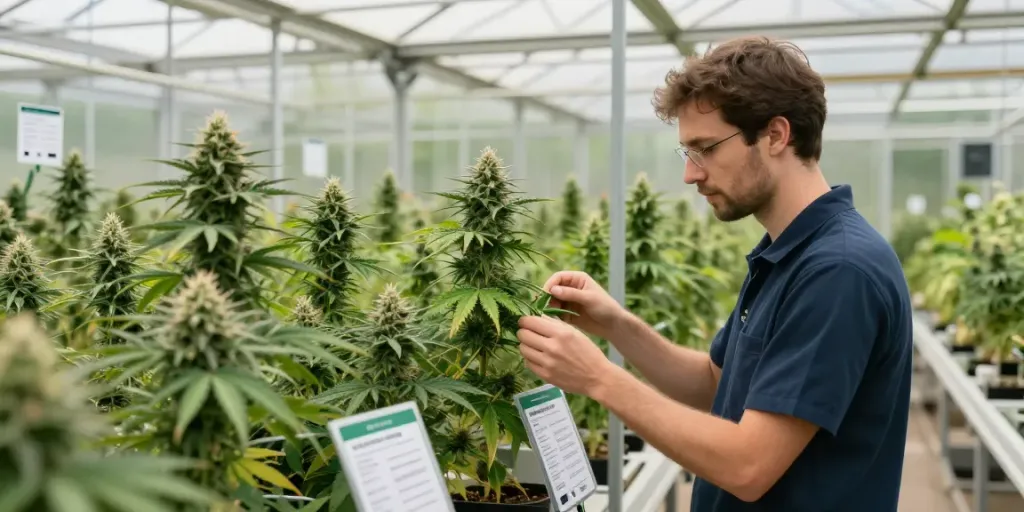
Understanding Triploid Cannabis Genetics
As cannabis cultivation continues to evolve, growers are increasingly exploring innovative genetic options that promise enhanced yields and quality. Among these is the emerging category of triploid cannabis seeds, which represents a significant advancement in breeding techniques. Triploid seeds are unique as they contain three complete sets of chromosomes, offering numerous benefits over traditional diploid varieties. This article delves into the intricacies of triploid cannabis genetics, their advantages, breeding methods, and practical considerations for both commercial and home growers. When exploring options, triploid cannabis genetics provides comprehensive insights into this innovative breeding approach.
What Are Triploid Cannabis Seeds?
Triploid cannabis seeds are a fascinating product of advanced breeding techniques. Unlike conventional diploid seeds, which possess two sets of chromosomes, triploid seeds boast three complete sets. This chromosomal structure fundamentally alters how the plants express certain traits, primarily influencing their fertility and growth characteristics. Due to their odd-numbered chromosome count, triploids often exhibit reduced fertility, which can lead to lower seed production when exposed to pollen, but this does not guarantee complete sterility. Instead, triploid cannabis represents a novel classification within cannabis genetics that emphasizes potential benefits rather than fixed outcomes.
Key Benefits of Triploid Genetics
The introduction of triploid cannabis genetics offers several key benefits for growers:
- Seedless Harvests: One of the most appealing advantages is the potential for seedless (sinsemilla) crops, which are highly sought after for their quality and potency.
- Pollen Resistance: Triploid plants exhibit a natural resistance to pollination due to their unusual chromosomal pairing, which allows for more focused energy on cannabinoid and terpene production.
- Faster Flowering Time: Growers can expect quicker flowering times, helping to maximize the efficiency of cultivation cycles.
- Enhanced Cannabinoid Profiles: Many triploid strains have been bred to produce higher levels of THC and terpenes, resulting in more potent and aromatic buds.
How Triploids Differ from Feminized and Autoflower Seeds
When comparing triploid cannabis seeds to feminized and autoflower varieties, it is essential to understand the fundamental differences in genetics and outcomes:
- Feminized Seeds: These seeds are bred to produce female plants exclusively, ensuring that every plant can produce flowers. Fertility is not a concern with feminized seeds, unlike triploids.
- Autoflower Seeds: Autoflowers transition from the vegetative to flowering stage based on age rather than light cycles. This differs significantly from triploids, which follow standard photoperiod growth patterns.
- Triploid Seeds: While triploids may occasionally produce female flowers, their unique chromosomal structure can lead to reduced fertility, making them suitable for growers who seek specific traits rather than relying solely on seed production.
Genetics Behind Triploid Cannabis
The Chromosomal Structure Explained
The genetic structure of triploid cannabis seeds is inherently complex. A triploid plant inherits three sets of chromosomes, which typically come from a cross between a tetraploid parent (four sets) and a diploid parent (two sets). This unique setup affects how chromosomes pair during meiosis, often resulting in an imbalance that can lead to the aforementioned reduced fertility. This chromosomal makeup is instrumental in creating plants with distinct traits, making triploids an exciting area of study for breeders interested in enhancing specific characteristics.
Breeding Techniques for Triploid Seeds
Creating triploid cannabis seeds is no simple task; it requires sophisticated breeding techniques that involve manipulating chromosome numbers. Breeders often start with tetraploid and diploid parents to encourage the formation of triploids. Several methodologies, such as colchicine treatment, are employed to induce chromosome duplication in plants, paving the way for the development of these unique seeds. As the understanding of cannabis genetics progresses, more refined techniques continue to emerge, allowing breeders to focus on desired traits like flavor profiles, potency, and yield potential.
How to Select the Right Triploid Strain
Choosing the right triploid strain involves evaluating multiple factors to ensure alignment with your cultivation goals. Key considerations include:
- Desired Potency: Look for strains known for their high THC and terpene levels to maximize the quality of your harvest.
- Growth Characteristics: Assess whether the strain suits your growing conditions, including space, light, and nutrient availability.
- Breeding Reputation: Research reputable breeders known for their work with triploid genetics, ensuring you invest in quality seed stock.
Growing Triploid Cannabis Plants
Optimal Growing Conditions for Success
To successfully cultivate triploid cannabis plants, growers should create optimal conditions that mirror those preferred by traditional cannabis strains:
- Light Requirements: Similar to other cannabis plants, triploids thrive under ample light, with a photoperiod tailored to their specific strain.
- Nutrient Management: Providing essential nutrients at the right growth stages is crucial for supporting robust plant health and yield.
- Climate Control: Maintaining appropriate temperature and humidity levels is imperative to prevent diseases and encourage healthy growth patterns.
Common Challenges and Solutions
While triploid cannabis genetics present exciting opportunities, they also come with challenges. Common issues include:
- Reduced Fertility: Growers may face challenges due to lower seed production. Understanding the specific genetics and breeding within your chosen strain helps manage expectations.
- Growing Conditions: Triploids may require slightly different care than traditional types, so adjusting nutrient regimens and monitoring environmental factors closely is essential.
- Unintended Pollination: Since triploids can produce seeds under certain conditions, isolating these plants from other pollinators is crucial to prevent seed development that may detract from the sinsemilla aim.
Best Practices for Cultivating Triploid Cannabis
To optimize the cultivation of triploid cannabis, follow these best practices:
- Regular Monitoring: Keep a close watch on plant health and growing conditions, adjusting as necessary to promote maximum growth potential.
- Pest Management: Implement integrated pest management strategies to protect plants and avoid compromising quality.
- Sampling Techniques: Regularly sample plants throughout the growth cycle to gauge potency and health, adjusting care practices based on results.
Commercial vs Home Growing of Triploid Cannabis
Considerations for Commercial Growers
Commercial growers venturing into triploid cannabis must consider scalability and marketability:
- Cost-Effectiveness: Assess whether the potential yield and quality benefits of triploids justify the costs associated with cultivation.
- Market Demand: Gauge consumer interest in high-quality, seedless cannabis, tailoring cultivation practices to meet this demand.
- Regulatory Compliance: Ensure that all cultivation practices align with local laws and regulations regarding cannabis production.
Benefits for Home Grown Cultivation
For home growers, the advantages of triploid seeds extend beyond just yield:
- Quality of Produce: Home growers often prioritize quality over quantity, and triploids can provide superior buds with enhanced aromas and effects.
- Unique Growing Experience: Exploring triploid genetics allows hobbyists to engage deeply with the nuances of cannabis biology and cultivation.
- Personalized Strain Selection: Home growers can curate their strains according to personal preferences, focusing on traits that align with their tastes.
Evaluating Yield and Potency in Different Environments
The environment plays a critical role in determining the yield and potency of triploid cannabis. Factors to evaluate include:
- Indoor vs. Outdoor: Each setting presents unique advantages and challenges; indoor grows typically allow for more controlled conditions, while outdoor growth can capitalize on natural sunlight and climate.
- Soil vs. Hydroponics: Different growing mediums can influence nutrient uptake and overall plant health. Experimenting with both may yield interesting insights.
- Cultivation Techniques: Employ diverse methods such as SCROG or SOG to maximize the available space and light access.
Future Trends in Cannabis Genetics
Emerging Research on Triploid Strains
The next few years are likely to see an increase in research dedicated to understanding and improving triploid cannabis strains. As universities and private breeding companies collaborate, the development of more resilient and potent cultivars is anticipated. The exploration of triploidy will also likely extend beyond cannabis into other crops, potentially offering insights that benefit the entire agricultural sector.
Market Demand for Triploid Cannabis in 2026
Looking ahead, market demand for triploid cannabis is expected to grow. Consumers are increasingly educated and interested in high-quality cannabis products, and triploid strains, with their potential for seedless harvests and enhanced effects, align perfectly with these evolving preferences. Commercial growers will need to stay ahead of market trends to ensure they can meet this demand, focusing on developing popular strains that resonate with their target audience.
Predictions for Cultivation Techniques and Breeding Innovations
As the cannabis industry evolves, cultivation techniques will likely become more sophisticated. The integration of technology, such as automated growing systems and data analytics, will aid growers in maximizing the potential of triploid cannabis seeds. Innovations in breeding will also continue, with a focus on enhancing the resilience and performance of triploid strains while exploring combinations of beneficial traits.
Are Triploid Cannabis Seeds Worth It?
The decision to invest in triploid cannabis seeds ultimately depends on the grower's goals and circumstances. For those seeking high-quality, seedless products, and willing to navigate the unique challenges associated with triploid genetics, these seeds can prove extremely valuable. However, growers should carefully assess their specific conditions and desired outcomes before proceeding.
Why Are Triploids Infertile?
Triploid plants are often characterized by infertility due to their odd number of chromosome sets. During the reproductive process, the pairing of chromosomes can lead to imbalances that hinder successful meiosis, resulting in reduced or absent seed formation. Understanding this aspect of triploid genetics is vital for growers looking to leverage these plants for specific benefits.
Can Triploid Plants Be Cloned?
Yes, triploid plants can be cloned, just like their diploid counterparts. Cloning allows growers to replicate desirable traits without relying on seeds. However, the unique challenges associated with triploid genetics may lead to variable results in cloned plants, and it's essential to monitor growth carefully.
Who Are the Best Seed Breeders to Try in 2026?
The market for cannabis seeds is ever-evolving, with numerous breeders specializing in triploid genetics. As 2026 approaches, keeping an eye on emerging breeding companies that focus on innovative cannabis genetics will be critical. Researching breeder reputations, strain offerings, and customer reviews will help ensure access to high-quality seeds tailored to your specific growing needs.

