
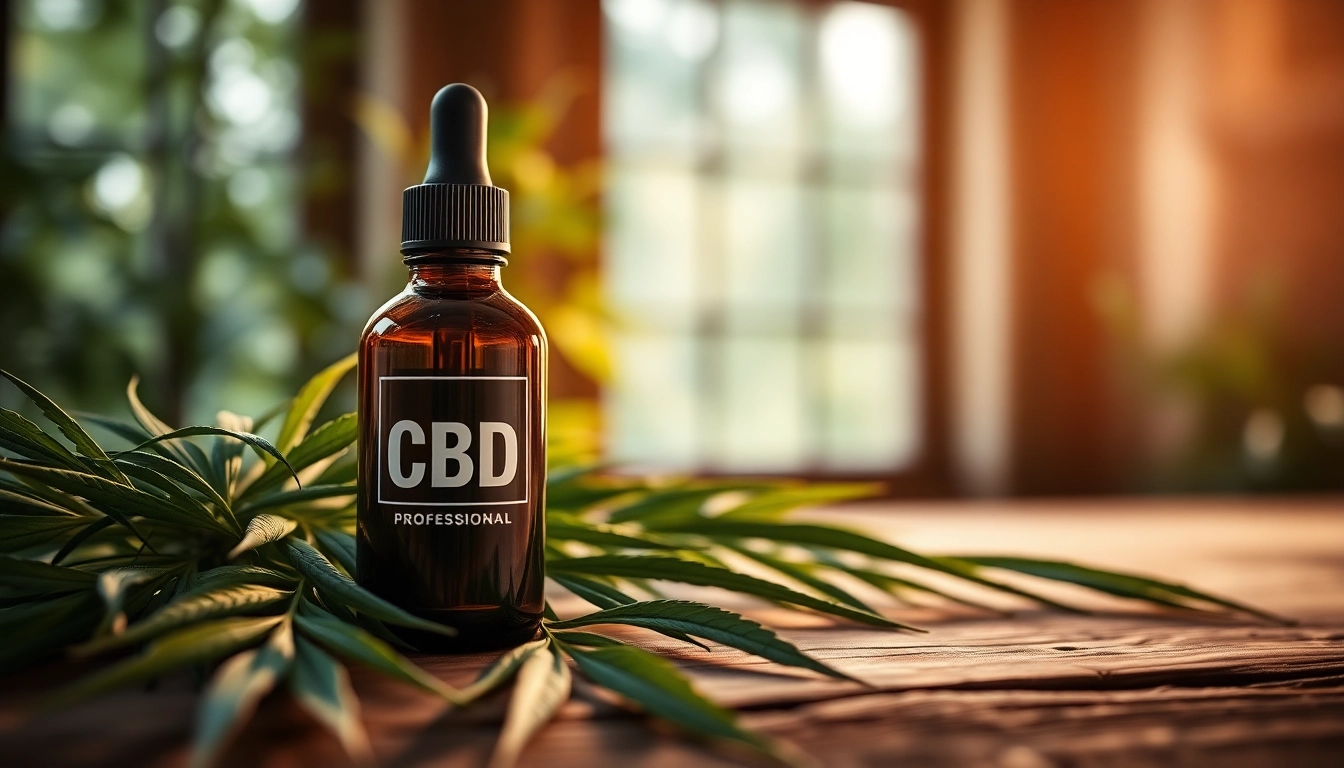
What is CBD Oil?
Definition and Background
Cannabidiol (CBD) is a compound derived from the cannabis plant, specifically the hemp variety of cannabis sativa. Unlike its more famous counterpart, tetrahydrocannabinol (THC), CBD is non-psychoactive, meaning it does not produce the 'high' often associated with cannabis. It has been recognized for its potential therapeutic properties, attracting considerable attention in both the medical community and among consumers seeking alternative treatment options. CBD Oil is typically derived from industrial hemp and contains a broader range of cannabinoids and terpenes, contributing to its health benefits.
How CBD Oil is Made
The process of making CBD oil involves several steps. Initially, high-CBD hemp plants are cultivated and harvested. The extraction process usually employs methods such as CO2 extraction, ethanol extraction, or olive oil extraction. CO2 extraction is the most common technique as it effectively preserves the cannabinoids and terpenes while eliminating harmful contaminants. After extraction, the oil may undergo further refining processes to create various formulations, including full-spectrum, broad-spectrum, or CBD isolates.
Types of CBD Oil
CBD oil is available in several forms, catering to different consumer preferences and needs:
- Full-Spectrum CBD: Contains all cannabinoids found in the cannabis plant, including THC. The presence of THC can enhance the therapeutic effects through the entourage effect.
- Broad-Spectrum CBD: Similar to full-spectrum, but THC is entirely removed. This is ideal for consumers who want the benefits of multiple cannabinoids without any THC.
- CBD Isolate: Pure CBD without any other cannabinoids, offering potential users a THC-free option.
Health Benefits of CBD Oil
Pain Relief and Inflammation Reduction
One of the most recognized benefits of CBD oil is its analgesic and anti-inflammatory properties. Research has indicated that CBD may help relieve pain by interacting with receptors in the brain and immune system. It has shown promise in treating chronic pain conditions, such as arthritis and multiple sclerosis. Users have reported reduced pain and inflammation levels after incorporating CBD oil into their daily routines.
Anxiety and Stress Management
CBD oil has gained popularity as a natural remedy for anxiety and stress. Studies suggest that CBD may influence serotonin receptors in the brain, contributing to improved mood and feelings of well-being. Its calming effects can be particularly beneficial for individuals struggling with generalized anxiety disorder, social anxiety disorder, and post-traumatic stress disorder (PTSD). Many users claim that utilizing CBD consistently helps in managing their stress levels and enhancing their overall emotional stability.
Benefits for Sleep Disorders
Sleep disturbances affect a significant portion of the population. CBD oil may assist in improving sleep quality by addressing underlying issues such as anxiety and pain. Research shows that CBD can increase total sleep time and decrease insomnia-related symptoms. Additionally, CBD's sedative properties can promote relaxation, making it easier for individuals to fall asleep and stay asleep throughout the night.
How to Use CBD Oil Effectively
Dosage Recommendations
Finding the right dosage for CBD oil can vary significantly among individuals. Factors such as body weight, metabolism, and the condition being treated play crucial roles. Generally, it is advisable to start with a low dose and gradually increase it until the desired effects are achieved. Common dosages range from 10 mg to 50 mg per day, but consultation with a healthcare provider is recommended for personalized guidance.
Methods of Consumption
There are various methods to consume CBD oil, and the choice often depends on personal preference and the desired effects:
- Sublingual Administration: Placing a few drops of CBD oil under the tongue allows for rapid absorption into the bloodstream.
- Ingestion: CBD oils can be added to foods or beverages. However, this method may delay effects as it requires digestion.
- Topical Application: For localized relief, CBD-infused creams and balms can be applied directly to the skin.
Tips for First-Time Users
For those new to CBD oil, consider the following tips to enhance your experience:
- Begin with a low dose and observe how your body responds.
- Maintain a consistent routine to identify the most effective dosage and timing.
- Keep a journal of your experiences to track changes and effectiveness.
- Consult with a healthcare professional if you have specific health concerns or are taking medications.
Potential Side Effects and Risks of CBD Oil
Common Side Effects
While CBD oil is generally considered safe, it is not without potential side effects. Some users have reported experiencing:
- Dry mouth
- Dizziness
- Changes in appetite
- Fatigue
These side effects are usually mild and can vary among individuals. Monitoring how your body responds is crucial, especially when starting out.
Interactions with Medications
CBD oil can interact with certain medications, potentially altering their effects. It is essential for individuals taking prescription drugs, particularly blood thinners and those affecting liver enzymes, to consult a healthcare provider before using CBD oil. Understanding potential interactions can help avoid adverse effects.
Understanding Legal Considerations
The legality of CBD oil varies across regions, and it is essential to be informed about local laws regarding its use. In many places, CBD derived from hemp with less than 0.3% THC is legal, but regulations can differ. Always ensure you are purchasing from reputable sources that comply with local regulations to avoid any legal issues.
Choosing the Right CBD Oil Product
Quality Indicators to Look For
When choosing a CBD oil product, quality is paramount. Look for products that provide:
- Organic certification to ensure no harmful pesticides or solvents are present.
- Full transparency about their sourcing and extraction methods.
- Clear labeling of CBD content and other cannabinoids present in the product.
Full-Spectrum vs. Isolate CBD Oil
Understanding the differences between full-spectrum and isolate CBD oil is critical in selecting the right product for your needs. Full-spectrum products contain a wide range of cannabinoids and may offer enhanced effects due to the entourage effect. In contrast, isolates provide pure CBD, suitable for those preferring to avoid THC entirely.
Understanding Third-Party Testing
Reputable CBD manufacturers often engage in third-party testing to verify the quality and potency of their products. Look for products that have been tested by independent laboratories, with results available to consumers. This transparency helps confirm that the product contains the claimed levels of CBD and is free from harmful contaminants.