
- Understanding the Waterdrop Spin Down Sediment Filter
- Installation Process of the Waterdrop Spin Down Sediment Filter
- Maintenance and Care for Your Waterdrop Spin Down Sediment Filter
- Performance Benefits of Using the Waterdrop Spin Down Sediment Filter
- Future Trends in Water Filtration Technologies for 2026
Understanding the Waterdrop Spin Down Sediment Filter
In an era where clean and safe drinking water is paramount, the Waterdrop Spin Down Sediment Filter stands out as a leading solution for filtration needs. This innovative technology not only enhances water quality but also ensures that your household appliances and plumbing remain free from sediment buildup. In this comprehensive guide, we will delve into the workings, features, installation, maintenance, and future trends surrounding the Waterdrop Spin Down Sediment Filter.
What is a Spin Down Sediment Filter?
A spin down sediment filter is a type of water filter designed to remove larger particles such as sand, silt, and dirt from water supplies. It operates on a simple yet effective mechanism where water flows into a sediment chamber, causing suspended particles to settle at the bottom, thus keeping them away from your home’s plumbing system. This type of filter is particularly beneficial for homes relying on well water or those in areas prone to sediment-laden water.
Key Features of the Waterdrop Spin Down Sediment Filter
The Waterdrop Spin Down Sediment Filter boasts several standout features that make it an attractive choice for homeowners:
- Reusable Filter Element: Unlike disposable filters, the Waterdrop filter features a reusable mesh that can be cleaned and reinstalled, significantly reducing waste and ongoing costs.
- Effective Filtration: With micron ratings typically between 40 to 50 microns, it efficiently traps particles while allowing a seamless flow of water.
- Self-Cleaning Technology: The built-in backwash function allows for easy maintenance. This feature enables users to flush out accumulated debris with the turn of a valve, ensuring optimal performance.
- Durable Construction: Made from high-quality, BPA-free materials, this filter is resistant to corrosion and pressure surges, promising longevity in various conditions.
How It Differs from Traditional Filters
Traditional sediment filters often require replacement after a certain period, which can lead to increased costs over time. In contrast, the Waterdrop Spin Down Sediment Filter is designed for durability and reusability. Its self-cleaning mechanism further simplifies maintenance, providing not only convenience but also a more cost-effective long-term solution for water filtration.
Installation Process of the Waterdrop Spin Down Sediment Filter
Installing the Waterdrop Spin Down Sediment Filter is straightforward but requires careful attention to detail to ensure it operates effectively. Here, we will go through the necessary steps to set up this efficient filtration system in your home.
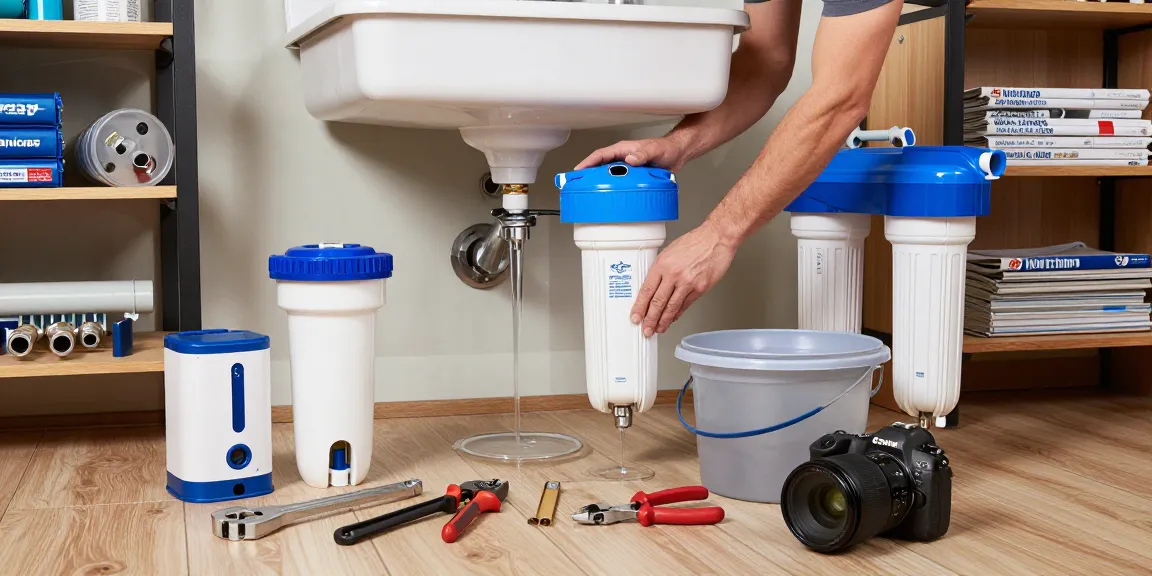
Tools Required for Installation
- Wrench
- Screwdriver
- Teflon tape
- Bucket or towel (for any water spillage)
Step-by-Step Installation Guide
- Turn Off the Water Supply: Before starting the installation, ensure that the main water supply is switched off.
- Prepare the Installation Area: Identify a suitable location near your main water line for the filter. Make sure there’s enough space to access the backwash valve.
- Attach the Filter: Use a wrench to securely attach the Waterdrop Filter to the piping system following the manufacturer’s specifications. Make sure to wrap Teflon tape around threads to prevent leaks.
- Connect the Water Lines: Ensure that the input and output ports are connected correctly to facilitate smooth water flow.
- Turn On the Water Supply: Gradually turn the water supply back on and check for leaks. Adjust connections if necessary.
- Initial Backwash: To kickstart the filtration process, perform an initial backwash as per the user manual instructions.
Common Mistakes to Avoid During Installation
To ensure a successful installation, keep an eye out for these common pitfalls:
- Overtightening Connections: This can lead to cracks or damage to the filter. Only tighten enough to prevent leaks.
- Poor Location Choice: Installing in an area that is difficult to access can complicate maintenance.
- Neglecting to Backwash: Failing to perform an initial backwash can lead to suboptimal performance from the onset.
Maintenance and Care for Your Waterdrop Spin Down Sediment Filter
Proper care and maintenance are vital to prolong the life and efficiency of your Waterdrop Spin Down Sediment Filter. Here’s what you need to know.
How Often Should You Clean the Filter?
Typically, it is recommended to clean the filter every 6 months. However, the frequency may depend on the sediment level in your water supply. If you notice reduced water flow or an increase in sediment in your filtered water, it may be time for a more frequent cleaning.
Signs That Your Filter Needs Replacement
While the Waterdrop Spin Down Sediment Filter is designed for longevity, there are indicators that it may need replacement:
- Increased water pressure drop indicating clogging.
- Visible wear or damage to the filter mesh.
- Persistent issues with water quality despite regular cleanings.
Best Practices for Filter Longevity
To ensure the longevity and efficiency of your filter, consider these best practices:
- Perform regular backwashing as required.
- Avoid exposing the filter to extreme temperatures or conditions.
- Keep an eye on the general water quality in your area and adjust maintenance frequency accordingly.
Performance Benefits of Using the Waterdrop Spin Down Sediment Filter
Investing in a Waterdrop Spin Down Sediment Filter provides numerous performance benefits that enhance overall water quality and household health.
Enhanced Water Quality and Purity
With its fine filtration capabilities, the Waterdrop Spin Down Sediment Filter significantly reduces unwanted particles in your water supply, leading to improved taste and safe consumption.
Cost-Effectiveness Compared to Other Solutions
While there may be an upfront cost associated with purchasing the Waterdrop filter, its reusable design and low maintenance requirements make it a more economical choice in the long run compared to traditional, disposable filters.
Impact on Household Health and Appliances
By filtering out sediment, rust, and other impurities, the Waterdrop filter helps prolong the life of plumbing systems and appliances. This reduction in contaminants can also contribute positively to the overall health of household members by ensuring cleaner and safer drinking water.
Future Trends in Water Filtration Technologies for 2026
The field of water filtration continues to evolve, with several exciting trends anticipated to shape the industry in 2026 and beyond.
Emerging Innovations in Sediment Filtration
As technology advances, we can expect newer filtration systems that incorporate smart technology to monitor water quality in real-time and automatically adjust filtration settings based on detected impurities.
Consumer Demand for Eco-Friendly Solutions
With increasing awareness of environmental issues, there is a growing trend toward eco-friendly filtration systems that minimize waste and energy consumption, while still providing high-quality water filtration.
Predicting Filtration Technology Advances
Advancements in materials science may lead to the development of even more efficient filter media, increasing the capability to trap smaller particles without compromising water flow rates.
What is the Share of Market Demands for Spin Down Filters?
As consumers become more knowledgeable about water quality, the demand for effective sediment filtration solutions, like the Waterdrop Spin Down Sediment Filter, continues to rise. Market analysts predict that spin down filters will occupy a significant share of the residential water filtration segment by 2026.
Challenges and Opportunities for Filtration in 2026
The water filtration industry does face challenges, including the need for regulatory compliance and addressing contaminants that traditional methods may not effectively remove. However, opportunities abound for innovators willing to tackle these issues and meet the growing demand for reliable, safe, and efficient water filtration solutions.