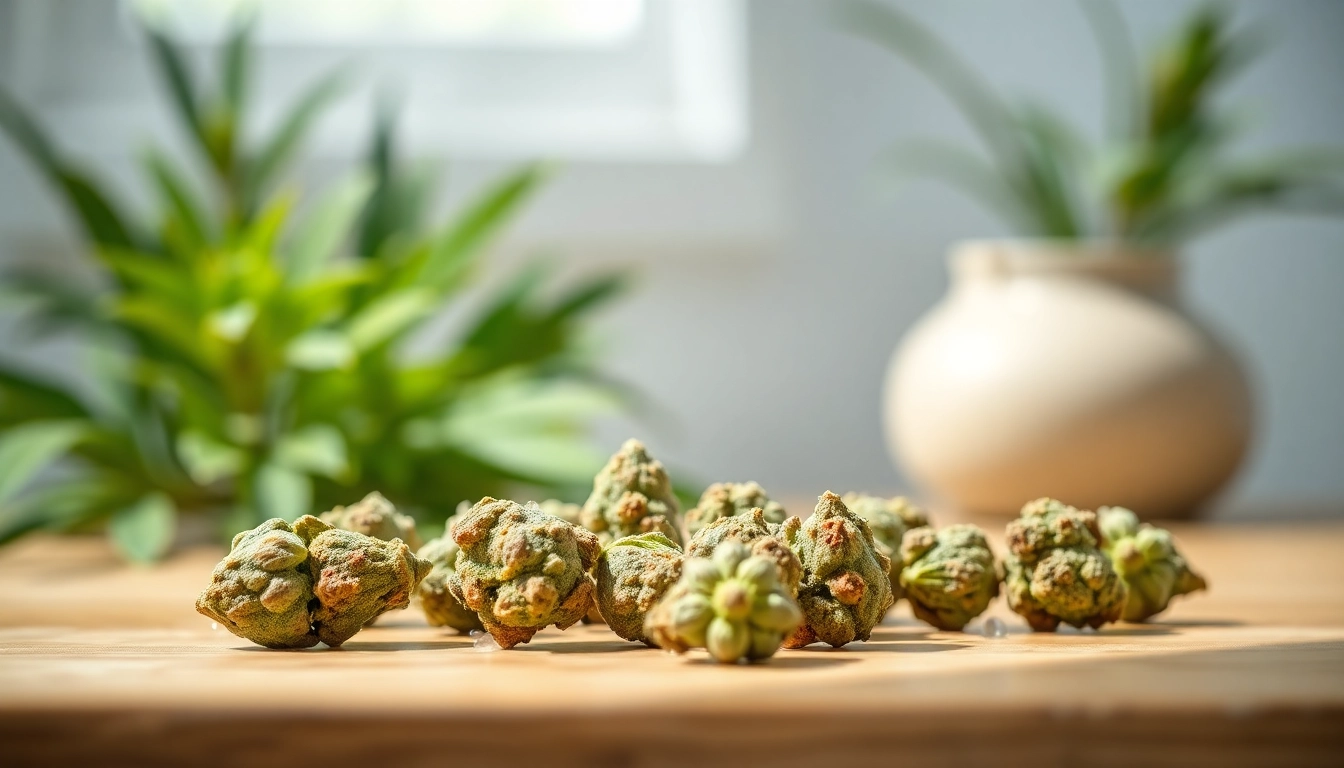

1. What is CBD and How Does It Work?
Cannabidiol, commonly known as CBD, is a natural compound derived from the hemp plant. Unlike its more famous cousin THC (tetrahydrocannabinol), CBD is non-psychoactive, meaning it does not produce a “high.” Instead, CBD interacts with the body’s endocannabinoid system (ECS), which plays a crucial role in regulating various physiological processes, including mood, sleep, appetite, and pain perception.
1.1 The Science Behind CBD
To understand how CBD works, one must first grasp the function of the ECS. This system consists of cannabinoid receptors, endogenous cannabinoids, and metabolic enzymes. CBD binds to these receptors, particularly CB1 and CB2, influencing the body’s natural balance. Research shows that CBD may enhance the effects of the body’s own cannabinoids, promoting a state of homeostasis which is essential for overall well-being.
1.2 How CBD Interacts with the Body
CBD’s interaction with the ECS can lead to various physiological effects. For instance, CBD is known to potentially reduce inflammation, alleviate pain, decrease seizure frequency, and alleviate anxiety. In clinical settings, it is being increasingly recognized for its therapeutic potential, particularly in treating conditions like epilepsy and chronic pain. Additionally, CBD may positively affect neurotransmitter systems, which can significantly influence mood and cognitive functions.
1.3 Common Misconceptions about CBD
Many myths surround CBD, primarily due to its association with cannabis. One prevalent misconception is that CBD can cause a high; however, this is incorrect as CBD lacks THC. Another myth is that all CBD products are the same—this is misleading since they can vary significantly in terms of formulation and purity. Understanding these misconceptions is crucial for potential users to make informed choices about CBD products.
2. Potential Benefits of CBD
As research continues to evolve, the potential benefits of CBD have garnered attention across various fields of health and wellness.
2.1 CBD for Anxiety and Mental Health
Several studies suggest that CBD may play a role in treating anxiety disorders. Research indicates that CBD can influence serotonin receptors in the brain, which are key in regulating mood and anxiety. Some clinical trials have shown that individuals suffering from social anxiety disorder reported reduced anxiety and improved public speaking performance after utilizing CBD. This therapeutic avenue holds promise for those seeking alternatives to traditional anxiety medications.
2.2 CBD’s Role in Pain Management
Cannabidiol may also serve as an effective pain management tool. It has been studied for its anti-inflammatory properties and its ability to alleviate pain associated with conditions such as arthritis or multiple sclerosis. Some patients have reported significant pain relief when using CBD oils or topical applications. While more research is necessary, initial results are promising for those seeking natural pain relief options.
2.3 Other Health Benefits of CBD
Beyond anxiety and pain, CBD is believed to offer several other health advantages. It’s being researched for its neuroprotective properties, especially in neurodegenerative diseases such as Alzheimer’s. Additionally, some studies suggest that it may have anticancer properties, helping mitigate the growth of certain types of tumors, although the evidence is still preliminary. From aiding sleep disorders to potentially benefiting heart health, CBD’s versatility continues to be explored comprehensively.
3. Understanding the Risks of CBD Consumption
While CBD is largely regarded as safe for use, it is essential to understand the potential risks and side effects.
3.1 Side Effects of CBD
CBD can cause side effects in some users. Commonly reported side effects include fatigue, changes in appetite, and diarrhea. Moreover, individuals using other medications should be cautious as CBD may interact with certain drugs, potentially altering their effects or causing adverse responses. Understanding these effects ensures users approach CBD with knowledge.
3.2 Interactions with Other Medications
It is crucial for users to consult healthcare professionals before starting CBD, especially if they are currently taking medications. CBD can interfere with liver enzymes responsible for metabolizing several drugs, which may lead to increased levels of those medications in the body, posing risks for overdose or increased side effects. Communicating openly with a healthcare provider can help gauge the risks and establish safe usage.
3.3 Legal Considerations Surrounding CBD
The legal status of CBD varies significantly by state and country. While hemp-derived CBD is legal at the federal level in many regions, some local statutes may impose restrictions. Understanding the local legislation regarding CBD use will help consumers navigate potential legal issues while also ensuring compliance with regulations. It is advisable to stay informed of any changes in legislation as CBD products become more mainstream.
4. Choosing the Right CBD Products
Selecting high-quality CBD products is essential for ensuring safety and maximizing potential benefits.
4.1 Types of CBD Products Available
CBD products come in various forms, including oils, tinctures, capsules, edibles, topicals, and vapes. Each product type has unique properties that may cater to different preferences and therapeutic needs. For instance, oils and tinctures may offer quicker effects, while capsules provide convenience. Topicals may be best for localized pain relief. Understanding the different forms allows consumers to match products with their specific health goals.
4.2 What to Look for in a Quality CBD Product
When choosing a CBD product, consumers should look for third-party lab testing, which indicates that the product has been independently evaluated for purity and potency. Additionally, the product’s source of CBD—whether derived from organic hemp or using chemical fertilizers—can significantly affect quality. Transparent companies that offer ingredient lists and sourcing information will provide more assurance for consumers.
4.3 DIY vs. Store-Bought CBD Products
Some individuals may choose to create their own CBD products, such as infused oils or edibles, to have greater control over dosage and ingredients. However, creating CBD products at home requires a thorough understanding of extraction methods and ingredient sourcing. For those uncertain about the process, reputable store-bought products with clear labeling and third-party testing are safer alternatives. Assessing personal comfort with DIY methods is critical in determining the right pathway for CBD use.
5. How to Incorporate CBD into Your Daily Routine
For new users, integrating CBD into a daily regimen may seem daunting, but it can be approached methodically.
5.1 Recommended Dosage for Beginners
Determining the proper dosage is vital for achieving the desired effects without adverse reactions. Beginners are often advised to start with a low dose—typically between 10 to 25 mg per day—and gradually increase it as needed. Monitoring one’s response over several days can help in fine-tuning the dosage for optimal benefits.
5.2 Effective Ways to Use CBD
CBD can be consumed in various ways—each offering different levels of bioavailability. Oils and tinctures sublingually absorbed may provide quicker effects, whereas edibles or capsules might take longer to absorb but may sustain effects for an extended period. Exploring different methods may help individuals discover which approach best suits their lifestyle and therapeutic needs.
5.3 Tracking Your Progress with CBD
Keeping a journal to monitor feelings, symptoms, and experiences with CBD can offer insights into its effectiveness. Recording dosages, time of consumption, and effects can highlight what works and what changes may be needed. This method provides valuable feedback for users to make informed adjustments to their routine.